


LOLER Thorough Examinations: everything you need to know

LOLER thorough examinations aren’t optional. If you’re using forklift attachments – like forks, extensions, buckets, jibs or anything that lifts – you’re legally required to get them inspected every six months.
The problem? A lot of people don’t know what LOLER actually requires, when inspections are due or what happens if equipment fails.
This guide covers it all. What gets checked, how often, who’s responsible and what to do when things go wrong. We’ve been manufacturing and supplying forklift attachments for over 30 years, so we know how to keep your kit compliant.
Contents
- What is LOLER and why does it matter?
- Do forklift attachments need to be certified?
- How often do thorough examinations need to be carried out?
- What happens during a LOLER thorough examination?
- What should you check between inspections?
- What happens if your equipment fails inspection?
- Choosing a thorough examination service
- Frequently asked questions
What is LOLER and why does it matter?
LOLER stands for the Lifting Operations and Lifting Equipment Regulations 1998. It’s the HSE regulation that requires all lifting equipment, including forklift attachments, to be thoroughly examined at set intervals.
The point is straightforward: catch any problems before they cause accidents. Regular inspections identify wear, damage and faults that could lead to equipment failure, injuries or worse.
Who’s responsible?
If you operate the equipment, you’re responsible for the inspections, even if you don’t own it.
This means:
- Bought your attachments? You need to arrange inspections
- Hired them? You still need to make sure there’s a valid inspection report
- Borrowed them? The same rule applies
The legal duty sits with the operator, not the owner.
What happens if you don’t comply?
There are three main risks if you skip your LOLER inspections:
- HSE prosecution – they can and do prosecute for LOLER breaches
- No insurance cover – your policy won’t pay out if equipment isn’t compliant
- Unsafe equipment – you’re putting your team at risk with attachments that might fail
Do forklift attachments need to be certified?
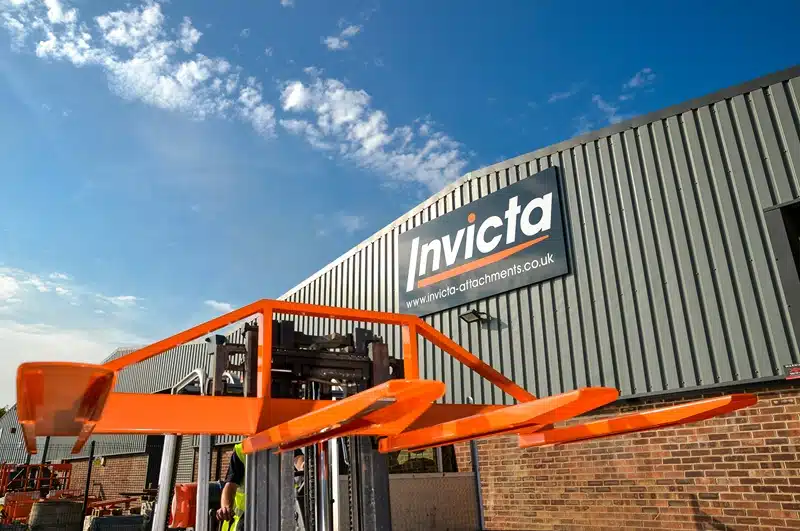
Yes. All forklift attachments, forks and extensions need regular professional inspections.
What does certification mean?
Every piece of lifting equipment must undergo a Thorough Examination. At the end of the inspection, you receive a Report of Thorough Examination – that’s your proof of compliance.
What needs inspecting?
All attachments fall under LOLER regulations:
- Standard forks and extensions
- Scoops and buckets
- Work platforms
- Jibs and lifting attachments
It doesn’t matter who made them or where you got them from. If it lifts, it needs inspecting.
This applies whether you own the equipment or have hired it. Some hire companies provide the Report of Thorough Examination as part of the rental, but it’s always worth checking with your provider as you’re ultimately responsible.
Think of it like an MOT for your car. You wouldn’t drive without a valid MOT certificate, and you shouldn’t operate forklift attachments without a valid thorough examination report.
Need to schedule your next thorough examination? Get in touch for advice or to book.
How often do thorough examinations need to be carried out?
The standard requirement is every six months. If your forklift attachments are in regular service, they need routine inspections at least twice a year.
Some sites are harder on equipment. Heavy construction, waste handling or sites with extreme temperatures or corrosive materials put more demand on your forks and attachments. In these conditions, your inspector may recommend more frequent inspections – they’ll let you know if that applies to your site.
If you don’t keep inspections up to date, you’re operating without compliance. The HSE can take enforcement action if they inspect your site and find expired reports.
One important point: thorough examinations every six months don’t replace daily operator checks. Operators still have a responsibility to inspect equipment before each use. We’ll cover what those daily checks should include later in this guide.
Not sure when your next inspection is due? Get in touch and we’ll help you get on track.
What happens during a LOLER thorough examination?
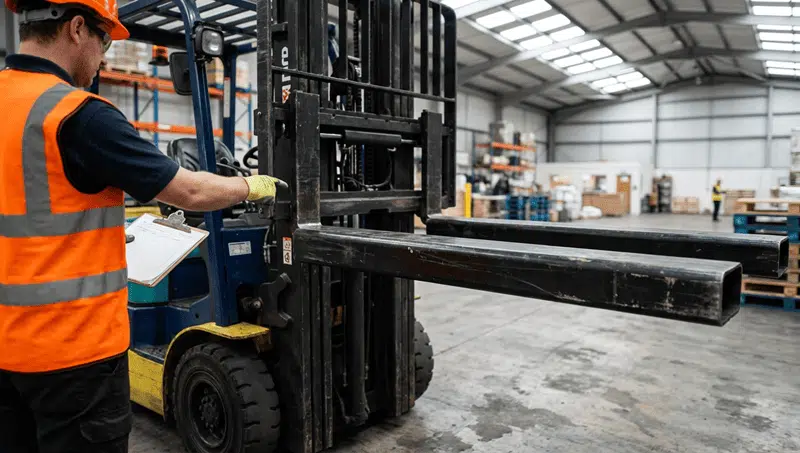
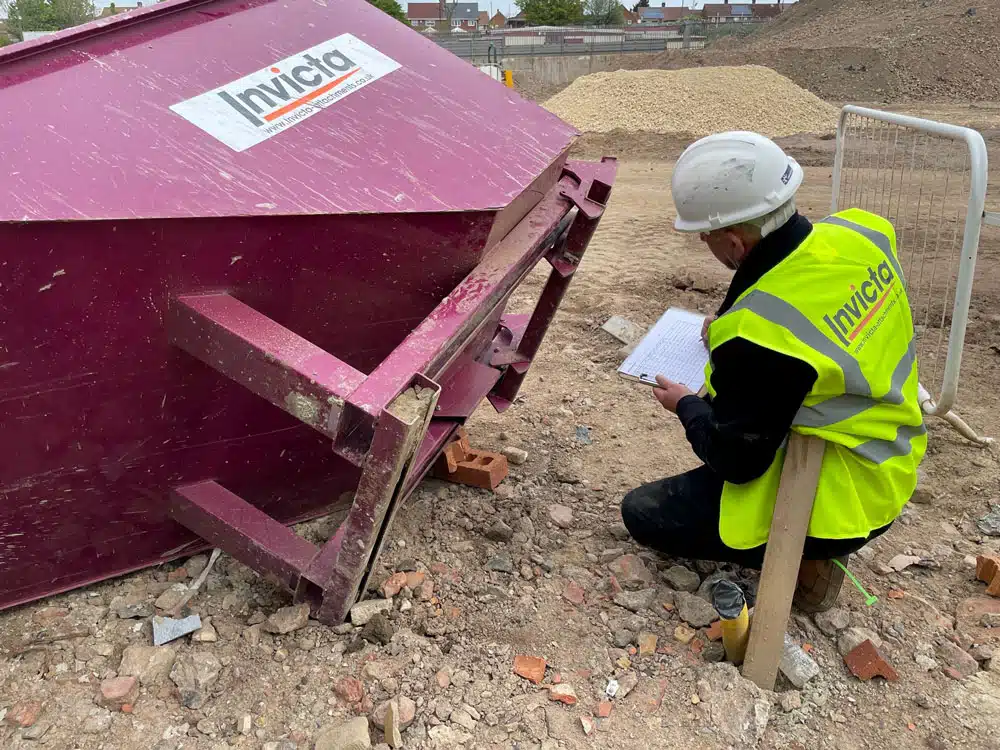
A thorough examination is a detailed inspection carried out by a trained, competent person. At Invicta, our inspections are conducted by CFTS (Consolidated Fork Truck Services) inspectors – the industry standard certification for lifting equipment examinations.
The inspection happens on your site, so there’s minimal disruption. The inspector works through each piece of lifting equipment, checking for any issues that could affect safety.
What gets checked
During the examination, the inspector looks at:
- Fitness for purpose – is the attachment suitable for the work it’s doing?
- Operation – do all the moving parts, hinges and mechanisms work as they should?
- Wear and tear – are there any signs of damage, corrosion, cracks or deformation?
- Potential faults – are there any issues that could develop into bigger problems?
- Overall safety – does the equipment meet the required safety standards?
The inspector also checks that the attachment is properly marked with its safe working load and other required information.
The Report of Thorough Examination
Once the inspection is complete, you get a Report of Thorough Examination. This includes:
- Full details of the equipment examined
- The condition of the attachment
- Any faults found and how serious they are
- Next actions required (if any)
- The date of the next inspection
This report is your legal proof of compliance. Keep it somewhere accessible in case the HSE asks to see it.
What should you check between inspections?
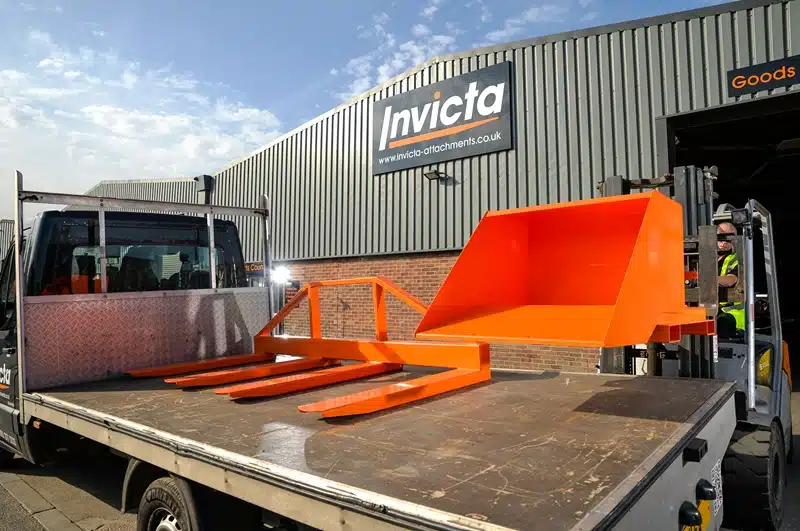
Thorough examinations every six months are essential, but operators also need to carry out daily checks before using forklift attachments. These quick visual checks catch problems early and prevent accidents.
Daily operator checks
Here’s what operators should look for:
- Secure attachment – make sure the attachment is properly fixed to the forklift and all locking mechanisms are working correctly
- Clear mechanisms – check for any obstructions in moving parts, hinges or hydraulic components
- Correct operation – test that hinges and other moving parts work smoothly
- No debris – remove any material, dirt or debris that could hide damage or affect operation
- Correct use – confirm the attachment is being used for what it’s designed for and within its safe working load
If an operator spots damage, unusual wear or anything that doesn’t look right, they should report it straight away. Don’t use the equipment until someone competent has checked it.
Why daily checks matter
These checks take a few minutes but make a real difference. They spot issues between thorough examinations, reduce the risk of equipment failure and keep your site running safely.
Documenting daily checks is good practice. A simple logbook or checklist shows you’re taking equipment safety seriously.
What happens if your equipment fails inspection?
Finding defects during a thorough examination isn’t the end of the world. It’s exactly why these examinations exist – to catch problems before they cause accidents or bigger issues.
Your thorough examination report will tell you what needs doing and how urgently.
On-site repairs
Most problems can be fixed during the inspection. Our CFTS inspectors carry common spare parts and can handle repairs like replacing worn pins or adjusting mechanisms on site, so your equipment can be back in service the same day.
Off-site repairs
More complex repairs need workshop facilities. We’ll take the attachment back to our Leeds workshop for tasks like welding or hydraulic work, then get it back to you as quickly as we can.
Replacement
Sometimes equipment is too damaged or worn to repair economically. We hold thousands of our products in stock so we can often supply a replacement quickly to keep you moving.
Find out more: our repair and refurbishment services
Important: if equipment fails inspection, don’t use it until it’s repaired or replaced. Operating faulty lifting equipment is illegal and puts people at risk.
Choosing a thorough examination service
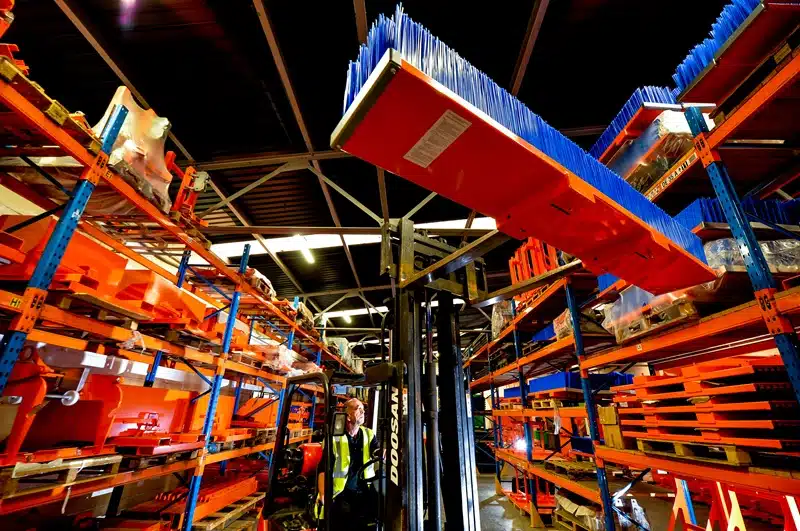
Not all thorough examination services are the same. The right provider makes a difference to the quality of the inspection, speed of repairs and how smoothly the process runs.
Look for CFTS certification
CFTS (Consolidated Fork Truck Services) certification is the industry standard for forklift and attachment inspections. It means inspectors are trained properly, fully experienced and working to strict and consistent standards across the UK.
Consider using your manufacturer
There are advantages to getting inspections from the company that made your attachments. They know the products inside out, have access to genuine parts and understand exactly how the equipment should perform.
At Invicta, we can inspect attachments from any manufacturer – not just our own. When we’re examining the kit we’ve built, we bring decades of design and manufacturing knowledge to the job.
What good service looks like
A quality thorough examination service should include:
- On-site inspection – the inspector comes to you
- Fast repairs – common issues fixed during the visit where possible
- Clear reporting – detailed, easy-to-understand reports
- Next inspection date – clearly stated so you know when you’re due
Price matters, but it shouldn’t be the only consideration. The cost of a thorough examination is small compared to the cost of an accident or HSE prosecution.
Frequently asked questions
Who is responsible for LOLER compliance – the owner or operator?
The operator. If you’re using the equipment on your site, you’re responsible for making sure there’s a valid Report of Thorough Examination, even if you’re hiring it. Some hire companies include inspection reports in the rental but check first. The legal responsibility is yours.
Can I inspect my own equipment?
No. Thorough examinations need to be done by a “competent person” – someone with proper training and experience. In practice, that means a qualified inspector with certification like CFTS. You should do daily visual checks yourself, but those don’t replace the legal requirement for a professional inspection every six months.
What happens if I don’t get a thorough examination?
You’re breaking the law and putting people at risk. If the HSE turns up and finds expired reports, you could face prosecution and fines. More importantly, you’re risking serious accidents.
How much does a thorough examination cost?
It depends on what you need inspecting, how many attachments you’ve got and whether any repairs are needed. Contact providers for a quote. No matter the cost, it’s a lot less than the consequences of skipping inspections.
Can attachments from any manufacturer be inspected?
Yes. Any qualified CFTS inspector can examine any brand. At Invicta, we inspect equipment from all manufacturers, not just our own. Using the original manufacturer has advantages though – we know our products inside out and have genuine parts on hand if repairs are needed.
What is a CFTS inspector?
CFTS stands for Consolidated Fork Truck Services. It’s the industry standard for forklift and attachment inspections. CFTS inspectors have been through strict training to learn how to carry out thorough examinations properly. Always check your provider is CFTS-certified.
Do I need LOLER inspections during business disruptions?
Yes, if you’re operating, LOLER requirements don’t stop. If you’re using lifting equipment, it needs to be inspected on schedule. If you’ve shut down temporarily, get your equipment examined before you put it back into service.
What’s the difference between daily checks and thorough examinations?
Daily checks are quick visual inspections operators carry out before each use, looking for obvious damage or loose parts. Thorough examinations are detailed inspections every six months by trained CFTS inspectors, looking for wear and problems that aren’t immediately obvious. You need both – they work together to keep equipment safe.
Get your inspections sorted
Your forklift attachments need to be examined every six months by a CFTS inspector. Keep the reports accessible, make sure operators do daily checks and don’t use equipment that’s failed inspection. That keeps you legal and keeps your people safe.
We inspect attachments from any manufacturer, handle many repairs on site and provide clear reports that prove compliance. If you’re not sure when your next inspection is due or need advice on what LOLER means for your site, just get in touch.
We’ve been manufacturing and inspecting forklift attachments for over 30 years, so we have the experience to get it right. Book your inspection today – give us a call on 0113 277 1222, email [email protected] or reach out through our contact form.
Back to all blog posts